
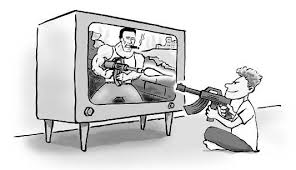
Violence throughout media has long been a contested topic in our media driven society. Violence in media can manifest itself in multiple forms, whether it be physical violence in movies and games, verbal violence in sitcoms or cartoons, or even emotional violence through what someone posts on social media. These varying forms of violence often come under scrutiny because they can leave a negative affect on an audience, which is why media creators try to “sanitize” violence to make it more acceptable in the audience’s eye. However, even with the sanitation, the violence can still have an effect on children.
Physical violence can be found across all media. We can see acts of physical violence in movies about war, in first person shooter games, and in animated cartoon shows. The violence depicted doesn’t necessarily have to be against other humans, as we discussed in lecture. It can be against animals, monsters, aliens, etcetera. Often times when there is a show of physical violence in media, it is to enhance a story and recreate real scenes. For example, you can’t make a war movie without the destruction and death that come with war. While these films and games need to include violence to increase their authenticity, the gore and roughness shown can have a serious affect on the audience. According to an article from the American Psychological Association, children who consistently watch violence on TV may experience three different effects. Children may be desensitized to pain and suffering, they may have more fear of the outside world, and they may be more likely to behave aggressively towards others. A lot of people say that they are unaffected by the physical violence seen in media, however these effects can impact anyone.
This YouTube video shows five of the goriest and brutal movies scenes ever.
Violence in media is not just limited to blood and death. Verbal violence and insults can have just as large an impact as physical violence. We see verbal violence all the time in media, and again it can have a lasting effect on an audience. It seems like in just about every form of media, there is some form of verbal violence. People watch TV and see characters go back and forth insulting each other, creating this idea that is okay to verbally attack people without repercussions. While everyone knows the saying “sticks and stones may break my bones, but words can never hurt me,” it is often times what people say that can cause the deepest harm. Just this past week, an Olympic level gymnastics coach was levied an eight year ban for verbally and emotionally abusing her athletes. The idea of verbal violence and abuse is everywhere and society, and its portrayal in media only adds fuel to the fire.
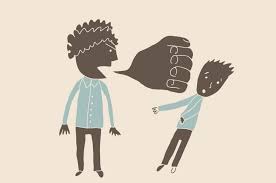
Both verbal and emotional violence play a huge role in the perceived negative aspects of social media. Cyber bullying is the main cause for verbal and emotionally abuse through social media, largely because people are able to hide behind their keyboard and screen, sending out hateful and incredulous messages without any real threat of consequences. According to an article from Pew Research, almost three in five students have experienced some form of cyber bullying. The verbal and emotional violence they experience just by opening their phone can have can extremely negative effects to their mental health. As we discussed in our last discussion board, social media can crush a teens mental health, and the verbal and emotional violence they can experience from cyber bullying only adds to that effect.
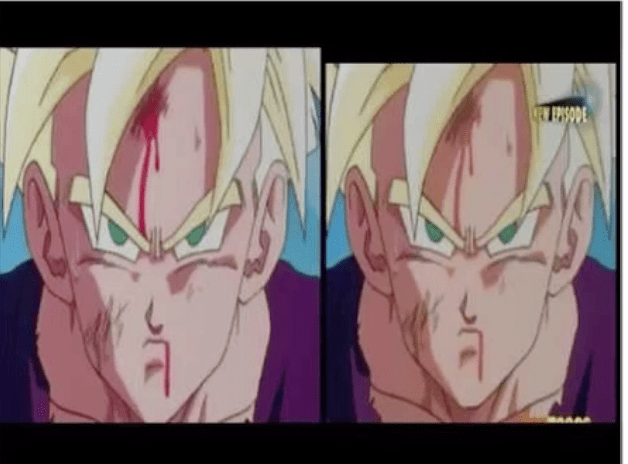
While all these different forms of violence exist in media, they are not always presented in their most real form. Changing certain aspects of the violence to lessen the influence is something we discussed in lecture, and it is referred to as “sanitizing” the media. With regards to physical violence, media can be sanitized in numerous ways. For example, blood and gore may be significantly reduced. In some shows, we still see the violence (such as someone being shot and killed), but there is no blood shown. If an injury is not fatal, the health effects of the injury are only temporary. Additionally, physical violence can be sanitized by simply not showing it on screen. It still happens, but the audience is shielded from the brutality. When looking at emotional and verbal violence, it is often sanitized with humor. The verbal abuse is followed by a funny joke or ironic statement which reduces the impact of what was previously stated.
Personally, I believe violence in media is an important way to maintain the authenticity of what is being created. In every day life, we experience some form of violence on a pretty regular basis. To avoid or limit the amount of violence shown in media means that the media no longer paints an accurate picture of what life is like. When it comes to media that is viewed by children however, I believe that the violence should be sanitized to a certain degree. We do not want to expose children to certain images and situations that they cannot yet comprehend, so we must sanitize violence to a point where it shields the children while still holding that level of authenticity previously mentioned.
To conclude, media violence is something that can be observed across almost all forms of media. Violence is a natural part of human life, so including it in media is a strive to maintain an accurate portrayal of the life we live. While the violence is natural, it still can cause negative psychological impact in an audience, especially children. Finding the right balance between the showing and sanitizing of violence is the key to producing successful media.





 Carson Hilliard's Blog